
试讲题目:画 内容: 远看山有色,近听水无声. 春去花还在,人来鸟不惊。 基本要求: (1)试讲时间约10分钟; (2)正确朗读课文,并概括课文主要内容; (3)适时板书 ?答辩题目: 1.说一说王维的基本知识。 2.语文教学中,怎样教授学生反义词?
题目
试讲题目:画
内容:
远看山有色,近听水无声.
春去花还在,人来鸟不惊。
基本要求:
(1)试讲时间约10分钟;
(2)正确朗读课文,并概括课文主要内容;
(3)适时板书
?答辩题目:
1.说一说王维的基本知识。
2.语文教学中,怎样教授学生反义词?
内容:
远看山有色,近听水无声.
春去花还在,人来鸟不惊。
基本要求:
(1)试讲时间约10分钟;
(2)正确朗读课文,并概括课文主要内容;
(3)适时板书
?答辩题目:
1.说一说王维的基本知识。
2.语文教学中,怎样教授学生反义词?
相似考题
更多“试讲题目:画 ”相关问题
-
第1题:
高中英语 口语
一、考题回顾
题目来源:5月19日上午江苏省南京市 面试考题
试讲题目
1.题目:口语教学试讲
2.内容:
There is a country that does not put murderers to death as a punishment. For very savage murders, a criminal is sentenced to prison for the rest of his or her life. If a murder is not as savage and it can be proved that the murderer is not likely to kill again and is sorry for what he or she has done, the punishment may be only 20 years or less in prison.
3.基本要求:
(1)朗读所给段落。
(2)配合教学内容适当板书
(3)针对该段落的内容,设计相应的口语教学活动。
(4)用英文试讲。
(5)试讲时间:10分钟。
答辩题目
1.Why do you want to be an English teacher?
2.Please introduce your teaching aims.答案:解析:二、考题解析
【教案】
Teaching aims:
Knowledge aims:
Students can learn some knowledge that different countries have different laws over the same crime.
Ability aim:
After this lesson, students can improve their speaking skills such as how to start a topic.
Emotional aim:
Students are able to get the confidence of speaking English.
Key and difficult point:
Key Point: To read this passage fluently.
Difficult Point: How to open the mouth and get the confidence of speaking English.
Teaching procedures:
Step 1: Warming-up
1. Greetings.
2. Free talk:
Firstly, show a segment of the movie The Shawshank Redemption.
Then ask student if they had watched this movie. Somebody says yes and somebody says no.
Then tell them the topic of the movie is about prison and lead in the content of this lesson.
Step 2: Pre-speaking
1.Ask students to look at the screen and read this short passage by themselves. Ask one student to conclude the main topic.
2.Then tell students this passage is about the different laws on murder.
3.Let students to read this passage loudly, then try to find some words about murder laws.
4.Ask two students to answer the question then write some words on the blackboard. Such as criminal, punishment, prison and murder.
5.Let students to find more content about the same crime has different laws in different countries.
Then write down on the blackboard. Such as the theft, the thief will be sentenced to 7 to 10 years in France. In Spain, the thief will be sentenced according to the seriousness of the offence.
6.Then let them to write some words on their notebook about this topic.
Step 3: while-speaking
1.Let students work in groups of four, and speak loudly. Then ask two students to share.
2. When students are speaking, work around with them, correct their pronunciation and grammar.
Step4: post-speaking
1.Ask students to do a role-play, one is interviewer, another is interviewee, interviewee should introduce the topic of the same crime has different laws in different countries. Then change the roles.
2. Sharing: Invite some students to show their performance.
3. Give the evaluation according to their performance.
Step5: Summary and Homework
Summary: Ask a student to conclude the content of the lesson and summarize with the whole class.
Homework: Let students practice to speak their materials after class, and try to recite some good words or sentences.

【参考答案】
First of all, I like this job, and I like to communicate with children. I think children have the innocence and purity that we adults don’t have. When I am with the children, I can feel the innocence and purity from them. Another reason is that teaching is a way for me to make a living. If I love this job, I will do it well with my heart. As we all know, the efficiency of taking the initiative to do something is different from that of doing it passively, so these are the reasons for why I want to be a teacher.
2.Please introduce your teaching aims.
【参考答案】
In my lesson, I set up 3 teaching aims, knowledge aim, ability aim, and emotional aim.
First, my knowledge aim is that Students can read this passage fluently and can learn that same crime has different laws in different countries. Second, my ability aim is that students can improve the speaking skill such as how to start a topic. Third, the emotional aim is that my students can get confidence of speaking English. -
第2题:
高中心理健康 《人的气质类型》
一、考题预估
题目来源:5月18日 江苏省面试考题
试讲题目
1.题目:人的气质类型
2.内容:
人的气质类型主要有:胆汁质、粘液质、多血质、抑郁质。
3.基本要求:
(1)试讲时间控制在十分钟;
(2)设置师生互动环节;
(3)试讲中要注意引导性。
答辩题目
1.你的教学重点是什么?你用什么方式突出的教学重点?
2.针对不同气质类型的学生,教师应该如何做到因材施教?答案:解析:二、考题解析
【教学过程】
(一)提问导入
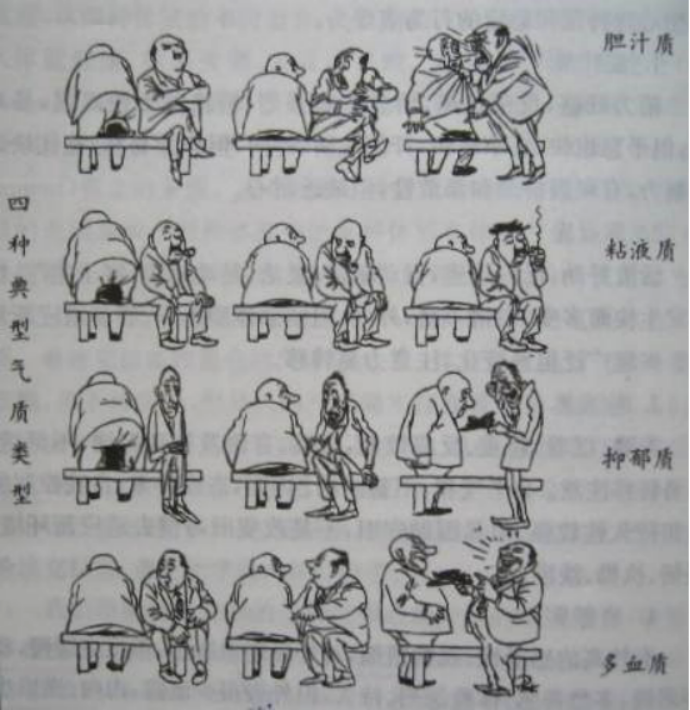
师:请问同学们在这幅图片里看到了什么呢?
生:图片里有四个人坐在一个凳子上,旁边放了一顶帽子,这里一个人过来了,不小心坐在帽子上,四个人有四种不同的表现:第一个人直接与来人打起来了,第二个看了一眼来人,接着抽自己的烟,第三个人拿起帽子伤心地对来人说我的帽子被你坐坏了,这可怎么办啊?第四个人与来人交谈甚欢,最后成为了好朋友们。
(二)课程讲授
1.气质的类型及特点:
(1)胆汁质(胆汁质的人像夏天):直率、热情、精力旺盛、生气勃勃、情绪易于冲动、心境变换剧烈、易感情用事、任性、脾气暴躁、易怒、缺乏自制力,是人们常说的急性子的人。
(2)多血质(多血质的人像春天):动作敏捷、活泼、灵活好动、热情、富于同情心、适应能力强、敏感、反应迅速、注意力容易转移、兴趣广而易变:喜欢与人交往,言语富于表达力和感染力,感情外露而易变,缺毅力和耐力,浮躁,轻率,是人们常说的活泼好动的人。
(3)粘液质(粘液质的人如冬天):沉着冷静、反应缓慢、安静、稳重踏实、沉默寡言、情绪不易外露,注意力稳定且难于转移,善于忍耐、缺乏活力、行动迟缓、为人拘谨、因循守旧等,说话少,内心少外露,情绪发展慢但持久、坚韧、执拗,是人们常说的慢性子的人。
(4)抑郁质(抑郁质的人似秋天):敏感、孤僻、行动迟缓、体验深刻、情感深入持久、善于觉察别人不易觉察到的细小事物,多愁善感,情感脆弱,畏缩而孤僻,反应慢而不灵活,胆小,是人们常说的多心的人。
特别强调:抑郁质和抑郁症是两个不同的概念,之间没有任何联系。抑郁质是一种气质,是一种美,而抑郁症则是一种心理疾病,任何一种气质的人都可能会得抑郁症,两者不可混为一谈。
2.提问环节:
(1)给每种气质类型至少列举两位相对应名人。
(2)你比较喜欢那种类型呢?为什么?
(3)现在我们以心理小组为单位来讨论一下:与不同气质类型的人交往时应该注意什么细节呢?
3.气质测试
(1)测试
成功不仅与人的智力有关,还与人的兴趣爱好、抱负水平、性格特点以及气质类型有很大的联系。清楚的了解自己的心理特点,有助于我们获得成功。你们想知道自己的气质类型吗?
请同学们,把手中的测试卷拿出来,尽快填写你看完题目后的第一印象,不要在每一道题目上费太多时间思索。答案无所谓对与不对,好与不好,完全不必有任何顾虑。做完测试后,请大家按照试卷后面的记分方法看看自己属于哪种气质类型。
(2)分享感受:
师:你觉得得出的结果基本符合自己吗?喜欢自己的气质类型吗?
(三)课后小结
今天我们大家一起学习了气质的类型及特点,也了解了在与不同气质的人打交道时应该注意的问题,相信同学们一定对自己的气质类型很好奇,我们将在下节课给大家进行气质测试,让大家了解自己所属的气质类型。
【板书设计】
人的气质类型
胆汁质
多血质
粘液质
抑郁质
【答辩题目解析】
1.你的教学重点是什么?你用什么方式突出的教学重点?
【参考答案】
这节课的教学重点是不同气质类型的特点。
为了突出教学重点,我设计了小组讨论,提出三个问题:
(1)给每种气质类型至少列举两位相对应名人。
(2)你比较喜欢那种类型呢?为什么?
(3)现在我们以心理小组为单位来讨论一下:与不同气质类型的人交往时应该注意什么细节呢?
通过三个提问,学生可以深入了解不同气质类型的特点,并且懂得,气质无好坏之分,学习针对不同气质类型的学生进行因材施教的方法。
2.针对不同气质类型的学生,教师应该如何做到因材施教?
【参考答案】
针对学生的气质差异,在教育过程中对不同气质类型的学生采取的方法应尽可能地因人而异,做到“一把钥匙开一把锁”。
(1)对于多血质的学生,可以采取多种教育方式,但要定期提醒,对其缺点严厉批评。教师可以适当地给予较多的活动与任务,并使他们从中得到更多的教育,要求他们养成踏实(不轻率)、专一和克服困难的精神;
(2)对于粘液质的学生进行教育要更加耐心,容许他们有充足的时间去考虑问题和作出反应,培养其生气勃勃的精神、热情开朗的个性和以诚待人、工作踏实、顽强的优点;
(3)对于胆汁质的学生要注意培养他们的自我克制能力,在教育过程中,教师应采取直截了当的方式,但这些学生不宜轻易激怒,对其严厉批评要有说服力,培养其自制力、坚持到底的精神,豪放、勇于进取的人格品质;
(4)对于抑郁质的学生,则应采取委婉暗示的方式,要更多地关心他们,体贴他们,鼓励他们多参加活动,不要当众指责他们,不宜过于严厉的批评,培养他们亲切、友好、善于交往、富余自信的精神,培养其敏感、机智、认真、细致、高自尊的优点。 -
第3题:
一、考题回顾
题目: 听力教学试讲
内容:
3.基本要求:
(1)配合教学内容适当板书。
(2)针对该段落的内容,进行相应的听力教学活动。
(3)试讲时间: 10分钟。
(4)用英文试讲。
答辩题目: 答案:解析:二、考题解析
【教案】
Project Hope
Teaching aims:
Knowledge aims:
Students can know something about Project Hope and other non-profit organizations.
Ability aim:
Students will improve their listening abilities of getting detail information.
Students can develop the skill of prediction.
Emotional aim:
Students can foster the awareness of helping others.
Students will increase their confidence of speaking English.
Key and difficult points:
Key point:
To understand the listening material.
Difficult point:
To cultivate their awareness of helping others.
Teaching procedures:
Step 1: Warming-up
1. Greetings.
2. Show the logo of some famous organizations such as Red Cross, UNESCO, APEC and so on.
Ask students to guess them and lead out the topic of the class.
Step 2: Pre-listening
Show the trailer of Project Hope, and ask them what kind of the project it is? And ask them to predict about what kind of information about the Project Hope may be mentioned in the passage.
Step 3: While-listening
1. Extensive listening
Read the passage for students and ask them to check whether their prediction is right or not. Then invite one student to write the answer on the blackboard.
2. Intensive listening
Play the tape and ask students to fill in the mind map on the blackboard.
Step 4: Post-listening
Ask students to do some pair work to introduce their favorite association to the partner. Then invite some them to share.
Step 5: Summary and Homework
Summary: invite a student to be an assistant teacher and summarize today’s lesson.
Homework: ask students to design the logos of their own association. -
第4题:
一、考题回顾
题目来源:1月6日下午湖北省武汉市面试考题
试讲题目:草原就是我的家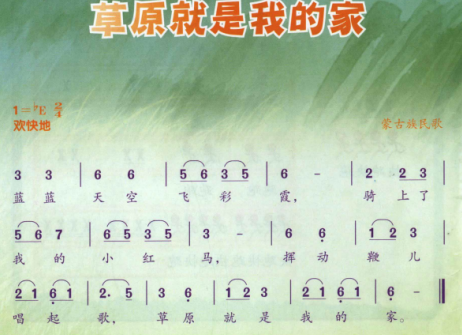
3.基本要求:
1.示范弹唱
2.试讲过程 中,要有互动
3.板书展示
4.试讲10分钟
答辩题目:这首歌是什么小调?答案:解析:【教学过程】
(一)情景导入,引出新课
(1)播放《牧歌》伴奏音乐,学生伴随音乐律动,走进教室。
(2)通过介绍歌曲及蒙古族,揭示课题《草原就是我的家》。
(二)学唱歌曲,探究学习
(1)播放视频,并演唱歌曲,体会歌曲中描绘的美丽风光,感受优美、抒情的旋律。
(2)老师范唱歌曲,学生跟着小声哼唱,认识附点音符。
(3)老师弹伴奏,再由学生进行跟唱。在唱的过程中学习延长音。并且教师对延长音进行讲解。
(4)讲解延长音。在讲解后学生紧跟老师进行节奏的拍打,在此环节,学生便已基本掌握。而后将学生分为四个小组进行练习。
(5)检查学生的练习效果。
(6)学唱歌词
①随伴奏有感情地轻声读歌词;
②随伴奏轻声默唱歌词2遍。
(7)老师再次弹伴奏,学生跟着琴完整的演唱歌曲。(要求:优美、抒情)
(8)欣赏蒙古族美丽景象的视频,引导学生感受蒙古的美丽,进一步指导学生带着感情演唱歌曲。
(三)拓展延伸,表现歌曲
(1)教师范唱(加律动),学生表演唱,交换唱
巩固今天学习的内容,有感情地表演唱。
(2)请学生们自由表演唱(跟录音视频)
(3)播放视频,介绍那达慕大会
(4)分组模仿那达慕大会项目
(播放背景音乐)赛马、摔跤、射箭
提问同学们都看到了哪些比赛项目,做简单的介绍,并分组进行模仿表演。
(5)用木棒打节奏,边唱边跳
(四)小结作业
师:教师请同学们总结今天学习了哪些内容,并在歌声中,模仿骑着马儿的动作走出教室。
【板书设计】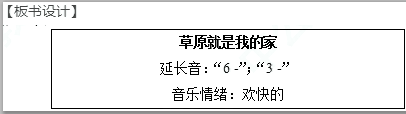
【答辩题目解析】
这首歌是什么小调?
【参考答案】
《草原就是我的家》。这首歌曲本身是bE宫调式的歌曲,但是最后的尾音却落在了6上,所以是一个C徵五声调式。 -
第5题:
试讲题目3.题目:Visiting a school
2.内容: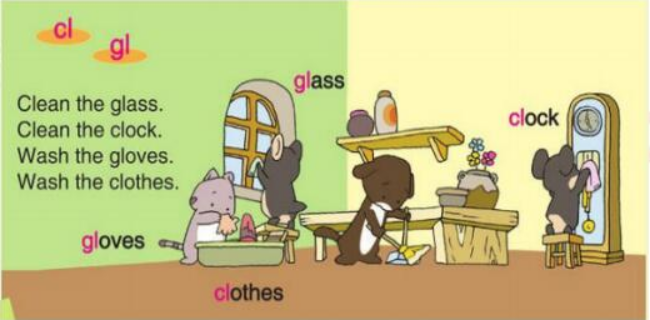
3.基本要求:
(1)设计为语音课;
(2)运用韵律进行授课,多做游戏活动课堂氛围;
(3)全英授课,试讲时间10分钟。
答辩题目1.如果学生没完成你的作业,还找借口,你怎么处理?
2.对于板书,你觉得有哪些优化的地方?答案:解析:二、考题解析
【教案】
Visiting a school
Teaching aims:
Knowledge aims:
Students will master the pronunciations and differences in the letter groups “gl” and “cl”.
Students can grasp the meanings of some words like “glass”, “gloves”, “clock” and “clothes”.
Ability aims:
Students will know how to pronounce “gl” and “cl” in words.
Students will improve their speaking ability through chant.
Emotional aims:
Students will improve their interest in learning English, and be fond of taking part in all kinds of class activities.
Students can learn to give their parents a hand in doing housework.
Teaching key and difficult points:
Key point: to master the pronunciations of these two letter groups, and know how to pronounce them in words.
Difficult point: to discriminate these two letter groups in speaking, and improve their confidence in learning English.
Teaching procedures:
Step 1: Warming-up
1. Greetings. Talk about the weather.
2. Share a riddle with students:
I have a big round face.
I have no legs but I can walk.
I have no mouth but I can say “tick-tock”, “tick-tock”
Ask the answer of this riddle (clock), and tell students that we are going to learn something about the related pronunciation.
Step 2: Presentation
1. Present the words with the help of pictures on the screen.
2. Let students find the similarities among the words and share their answers. Then let them listen to the tape and find out the differences of these two letter groups in pronunciation.
3. Explain the pronunciation rule: if we meet the letter groups of “gl” and “cl” in words, we often pronounce [gl] and [cl] respectively. Then ask students to pay attention to the differences by watching the teacher’s mouth and imitate.
Step 3: Practice
Play a game called Send Words Home. Present the words on the PPT, and draw two houses of the letter groups “gl” and “cl” on the blackboard. Five students in a group are to have a discussion in three minutes about where the words on the PPT belong to. Then invite some students to the front to write down their answers, and read them aloud. Check answers and give evaluations.
Step 4: Production
Ask students to make a chant based on the words that we learned today. Work in groups of four in five minutes. Later, invite some students to share their chants. For example:
Clock, clock, clock on the wall
Clothes, clothes, clothes on the bed
Glass, glass, glass on the window
Gloves, gloves, gloves on the hands
Give evaluations and encouragements.
Step 5: Summary and Homework
Summary: ask a student to conclude the content of today's lesson, then tell them to form a good habit of giving parents a hand in housework.
Homework: let students share the chant with their parents, and try to create a story based on the words that we have learned today.
Blackboard design:
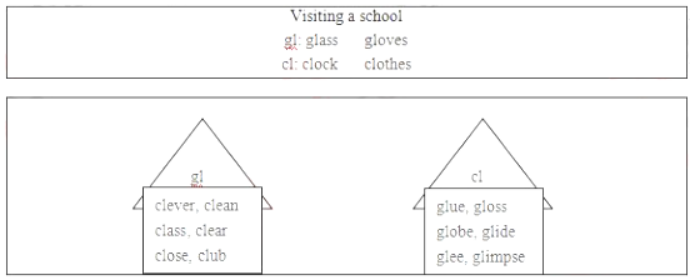
Teaching reflection -
第6题:
高中心理健康 《归因方式》
一、考题回顾
题目来源:5月18日 河北省张家口市面试考题
试讲题目
1.题目:归因方式
2.内容:
3.基本要求:
(1)试讲时间控制在十分钟;
(2)活动中关注学生的感受变化;
(3)试讲中要注意引导性。
答辩题目
1.你的教学目标和教学重难点是什么?
2.请说一说高中生自我意识发展的特点。答案:解析:二、考题解析
【教学过程】
(一)热身活动:左手氢气球,右手铅球
1.规则介绍
请大家闭上眼睛跟随老师的指导语想象。
指导语:深呼吸,现在请将你的双手伸直放在胸前,尽量伸直,掌心朝上,并使双手保持在同一高度。请跟着我的话语在脑海中想象,在你的左手有一个氢气球,右手是铅球。左手的氢气球很轻、很轻……右手的铅球慢慢膨胀,越来越重,你快要托不住它了。好,现在睁开眼睛,观察自己的手,是不是发生了变化?
2.分享交流
师:你发现了哪些变化,为什么会有这样的变化?你受到了什么启发?
生1:我的右手远远低于左手。我刚才一直在想象右手有个铅球,很重很重,不知不觉中右手就沉下去了。
生2:自己的想象却会对事情造成很大的影响。
教师小结:同学们都发现了自我暗示的作用,积极的自我暗示能让我们充满信心和力量,促进任务的完成。
(二)主题活动一:心灵故事
1.故事介绍
亮亮和小华是好朋友。本来二人成绩相当,都处于中上等水平。但在最近的一次考试中,亮亮没有考好,小华考了第二名。亮亮认为是自己脑子太笨了;小华则认为自己虽然考得不错却是凭运气。在接下来的考试中,亮亮成绩仍然不理想,而小华也退步了。
2.交流讨论
师:你认为二人失败的原因有哪些?
生:他们对自己没考好的分析不利于自己积极努力。
教师小结:将成功归结为努力,这是积极的归因方式;如果将成功归结为运气就属于消极的归因方式。
(三)主题活动二:归因训练
1.规则介绍
请大家想一想你最近一次的考试结果,你满意吗,你认为那次考试成功/失败的原因是什么?
2.小组讨论
师:你的积极归因有哪些作用,消极归因又有哪些影响?
生1:消极的归因方式妨碍成绩的提高,恶性循环,体验到更多的失败与挫折;而积极的归因会促进人更加努力,最终达到好的结果。
教师小结:通过活动我们了解到积极的归因可以让我们更加自信,感到自豪,有成就感;而消极的归因容易让我们丧失信心,失去做事情的动力和勇气。
(四)总结升华
本次课程就要结束了,请大家闭上眼睛,安静地想一想,这节课中给你留下最深印象的是什么,通过本次课程的学习,你都有哪些感想。
【板书设计】
归因方式
积极归因
消极归因
【答辩题目解析】
1.你的教学目标和教学重难点是什么?
【参考答案】
本课,我设置的教学目标如下:
①通过体验自我暗示认识到积极自我暗示对自己的作用。
②通过归因训练掌握积极归因方式,从而不断完善自我。
本课,我的教学重难点如下:
①教学重点:认识到积极自我暗示、积极归因的作用。
②教学难点:能在日常生活中对自己进行积极自我暗示、积极归因。
2.请说一说高中生自我意识发展的特点。
【参考答案】
第一,自我意识中独立意向的发展。高中生已能意识到自己是一个独立的个体,要求独立的愿望日趋强烈。
第二,自我意识成分的分化,高中生在心理上把自我分成了“理想的自我”和“现实的自我”两个部分。
第三,强烈地关心着自己的个性成长。高中生十分关心自己个性特点方面的优缺点,在对人对己的评价时,也将个性是否完善放在首要位置。
第四,自我评价的成熟。高中生能独立地评价自己的内心品质、评价行为的动机及效果的一致性情况等,其自我评价在一定程度上达到了主客观的辩证统一。
第五,有较强的自尊心。高中生在其言行受到肯定和赞赏时,会产生强烈的满足感;反之,易产生强烈的挫折感。
第六,道德意识的高度发展。
总之,高中生在自我观察、自我评价、自我监督、自我控制等自我意识的成分上都获得了高度的发展,并趋于成熟。 -
第7题:
一、考题回顾
题目来源:1月6日下午河南省开封市面试考题
试讲题目:
3.基本要求:
(1)试讲时间约10分钟,用英语授课;
(2)试讲时需要示范朗读部分教学内容,适当关注语音语调的训练;
(3)创设语言情境组织教学游戏引导学生操练主要句型,并适当替换词组;
(4)借助板书辅助学生进行口头表达训练。答案:解析:【教案】
Teaching aims:
1. Knowledge aim:
(1) Students will learn the words about months and seasons: October, November, December and Spring, Summer, Autumn, Winter.
(2) Students can use the sentence structures: When is your birthday? My birthday is in....
2. Ability aim: Students will be able to use the words and sentence structures to express their birthday.
3. Emotional aim: Students will learn to care about others and they will know birthday is important to everyone.
Key and difficult point:
Key point: Students will learn the new words and sentence structure
Difficult point: Students will know how to use the words and sentence structure to express their birthday.
Teaching procedure:
Step 1: Warming-up
1. Greetings
2. Song: Happy birthday
试讲语言:Good morning, boys and girls. How are you today? Great! I feel excited. Do you know why? Because my birthday is coming. I can eat birthday cake. I will get gifts. Everybody will sing happy birthday to me. Can you sing this song? Ok, let’s sing it all together.
Happy birthday to you. Happy birthday to you. Happy birthday to you. Happy birthday to you.
Today we are going to learn When is your birthday?
3. Review the words: January, February, March, April, May, June, July, August, September
试讲语言:When is my birthday? Yes. It’s in January. What is it coming after January? Yes, February, then March, April, May, June, July August and September. It seems you’ve learnt the words yesterday very well.
Step 2: Presentation
1. 新授语音语调
(1) Chant and tick: Look at the picture. What’s in the picture? The four kids are singing and dancing to have a birthday party. There is a big cake in the middle. There are some words around them. Now, please listen to the chant and tick the months you hear.
When is your birthday?

-
第8题:
初中音乐《红河谷》
一、考题回顾
题目来源:5月18日 吉林省长春市 面试考题
试讲题目
1.题目:红河谷
2.内容:

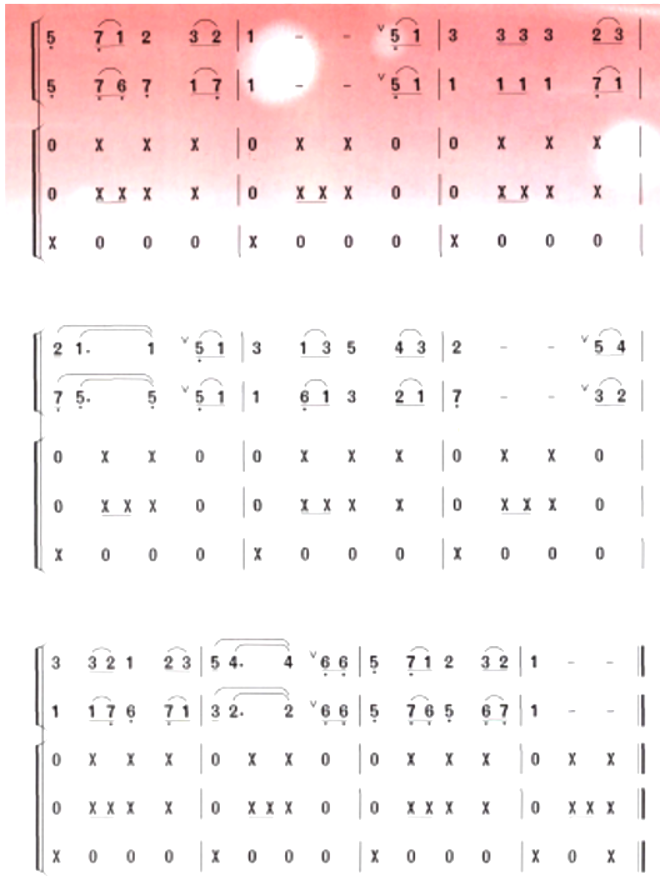
3.基本要求:
(1)试讲时间在10分钟之内完成。
(2)试讲时教师指挥演奏歌曲。
(3)试讲过程需要有适当板书。
答辩题目
1.什么是弱起小节?
2.你是应届毕业生,缺乏经验,如何能胜任音乐教学这项工作?答案:解析:二、考题解析
【教学过程】
(一)导入新课
1.游戏导入,创设情境:
分别播放几首歌曲的片段,一起猜歌曲的歌名并分别对应说出地区
《剪羊毛》——澳大利亚
《桑塔露琪亚》——意大利
《阿里郎》——朝鲜
2.总结,并引入新课:加拿大民歌——《红河谷》
(二)感知歌曲
1.播放歌曲《红河谷》的录音,熟悉歌曲的内容。并思考问题:
(1)歌曲所表达的情绪是怎样的?(优美、舒缓的)
(2)歌曲的速度、节拍各是怎样的?(中速、4/4拍)
2.再次聆听歌曲录音,听辨歌曲的结构。(划分歌曲的乐段,两部分)
(三)演奏歌曲
1.音阶吹奏练习
学生用竖笛吹奏C大调音阶,注意吹奏的方法和吐气的均匀。
2.吹奏高声部旋律
(1)教师带领学生哼唱高声部,熟悉旋律;
(2)学生尝试吹奏高声部旋律,注意连线部分的吹奏要连贯,气息保持好。
3.吹奏低声部旋律
(1)学生自行练习吹奏低声部,教师巡视指导;
(2)学生集体吹奏低声部旋律,注意时值吹够。
4.分小组进行二声部合奏练习,注意换气地方要统一,保持一致。
5.再次分组,每组又分成吹奏组和打击乐组,分发课堂打击乐器(三角铁、沙锤、鼓)。小组进行练习,教师巡视指导。
6.小组展示,教师进行指挥,引导学生合奏表演。最后,教师进行点评。
教师资格考试考前黑钻押题,瑞牛题库软件考前更新,下载链接 www.niutk.com
(四)巩固提升
1.播放合唱版《红河谷》,并与合奏版红河谷进行比较。
学生讨论回答。(利用声部的穿插、衬托,增添变化,增强厚度,丰富表现力)
2.了解我国的民歌
师:我们这节课学习的是加拿大民歌,那请同学们也来说一说我们自己国家的民歌,进行对比欣赏。(江苏民歌《茉莉花》、四川民歌《太阳出来喜洋洋》、山东民歌《沂蒙山小调》等)
(五)小结作业
今天我们学习了乐曲《红河谷》,感受了加拿大民歌的风格。课后希望大家能够搜集加拿大其他民间歌曲,课下与其他同学进行交流。
【板书设计】
红河谷
1=F 4/4
二声部合奏
连贯、统一
【答辩题目解析】
1.什么是弱起小节?
【参考答案】
乐曲由弱拍或弱位开始,并且和乐曲的最后一小节形成一个完整的小节。
计算小节数方法:由第一个完全小节算起。
从弱起小节开始的歌曲(乐曲),其后面的部分乐句或所有的乐句,也往往是弱拍起的,演唱演奏时要特别注意其句法的特点。
2.你是应届毕业生,缺乏经验,如何能胜任音乐教学这项工作?
【参考答案】
作为一个教学“新手”缺乏经验是必然的,所以针对自己的不足方面我会从以下几个方面来进行找补:
(1)不断学习教育教学相关知识,加深理论方面的底蕴,为教学实际操作打牢基础;
(2)在实际教学过程中,我会按照理论的学习与实践相结合的方法进行,并不断改进自己的授课,与学生加深交流,通过交流、互动来实际调整适合他们的教学;
(3)我会向身边有经验的教师“虚心求教”,向他们学习一些有效的教学方法和教学手段,汲取成熟的教学经验;
(4)我会认真的备好每一堂课,在熟悉了课本之后,去调整自己的授课,进而发现自己的授课风格,从而来提升自己的授课。
总之,经验是可以通过努力和实践来弥补的,我会从自己出发,加深自己的知识底蕴,并通过吸取经验,总结授课等方式不断提升自己的授课能力,从而胜任自己的教学工作。
最后,在日后的音乐教学活动中多观察学生的学习行为表现,多关注学生的情感变化,及时表扬学生,使学生增强自信,发挥音乐潜能。 -
第9题:
初中英语 语音
一、考题回顾
题目来源5月19日 上午 河北省 石家庄市面试考题
试讲题目1.题目:语音教学试讲
2.内容:
I have a pet cat.
Her name is Pat.
She gets a present from my dad.
Is she happy about it?
No, she was sad.
3.基本要求:
(1)朗读所给内容。
(2)配合教学内容适当板书。
(3)讲解元音的区别。
(4)用英文试讲。
(5)试讲时间:10分钟
答辩题目
1. In your opinion, how can junior high school students learn pronunciation well?
2. How to cultivate students’ sense of pronunciation?答案:解析:二、考题解析
【教案】
Teaching aims:
Knowledge aim:
Students can master the difference between the pronunciation of letter ‘e’ and ‘a’.
Ability aim:
Students can use the pronunciation rules into daily communication.
Emotional aim:
Students can be more interested in learning English.
Key and difficult point:
Key Point:Students can master the difference between the pronunciation of letter ‘e’ and ‘a’.
Difficult Point: Students can use the pronunciation rules into daily communication.
Teaching procedure:
Step 1: Warming-up
1. Greetings.
2. Have a free talk with students talk about the present that they received before and their feelings about it.
Step 2: Presentation
1. Ask students to read the dialogue and pay attention to the underlined words in the conversation.
2. Review the underlined word with students by invite some of the students to explain the meaning or imitate the words. And write it down on the black board respectively.
3. Divide the words into two groups and ask students to find out the similar letter in each group
4. Lead the students to find the rules of the pronunciation of letter ‘e’ and letter ‘a’ in the stressed close syllable. Conclude the difference between the two sound
Step 3:Practice
1. Read the words on the black board and lead students to repeat after the teacher.
2. Read some words and let students to pick out the words where the pronunciation is ‘e’.
fat set rat
vet get pattern
Step4: Production
1. Ask students to find more words that pronoun ‘/e/’ and ‘/?/’ and divide them into two groups.
2. Ask students to make a dialogue talk about their favourite gift and pay attention to the pronunciation of letter ‘e’ and ‘a’.
Step 5: Summary and Homework
Summary: Ask a student to conclude the content of the lesson and summarize with the whole class.
Homework: Ask students to find more pronunciation of letter ‘e’ and letter ‘a’

【答辩题目解析】
1. In your opinion, how can junior high school students learn pronunciation well?
【参考答案】
As for the students, they have learned English for several years, so they have accumulated some pronunciation knowledge, but they may be lacking in the differences of some similar sound, and they sometimes can’t distinguish the sound by themself. So it is very important for the teacher to lead them to the rules and let them to find the rules, which can both help them to improve the ability study on their own and master the knowledge the same time.In this way, students can learn pronunciation well.
2.How to cultivate students’ sense of pronunciation?
【参考答案】
It is one of the strategies of teaching listening to cultivate students’ sense of pronunciation. Following are the methods. Firstly, students should listen to the tape to imitate the correct pronunciation. Secondly, students should pay more attention to the change of pronunciation in the process of communication. Thirdly, the listening materials should be authentic, just as in real-life listening. -
第10题:
一、考题回顾
题目:《导线切割磁感线时的感应电动势》
内容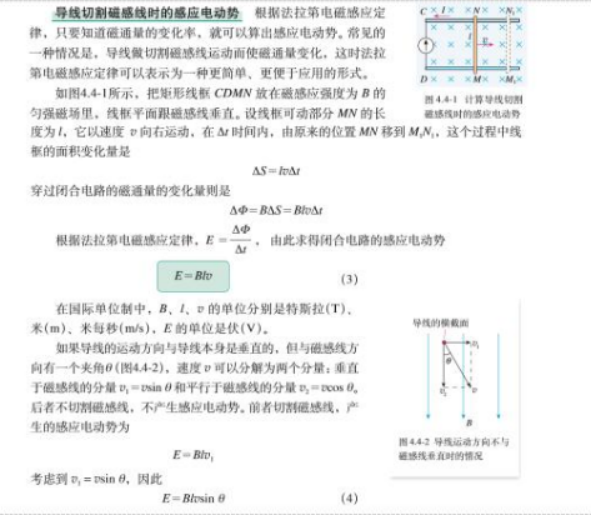
3.基本要求:
(1)讲课过程要有板书设计。
(2)试讲过程中要有设问环节。
(3) 10分钟内完成试讲。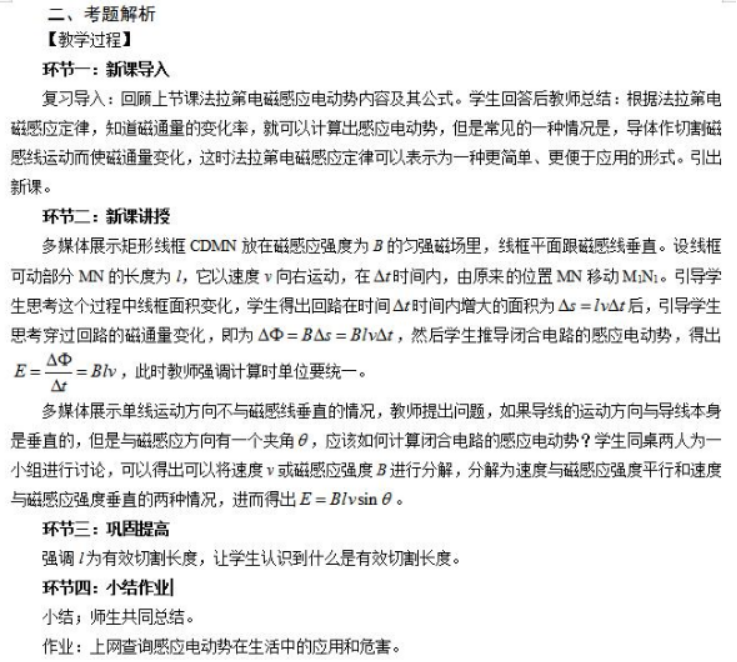 答案:解析:
 -
第11题:
高中美术《工笔花鸟画》
一、考题回顾
题目来源:1月6日下午辽宁省沈阳市面试考题
题目:工笔花鸟画
2内容:学画工笔花鸟画
(1)笔墨线条表现物象技法:线要表现形体结构(组织关系和前后关系)、线要表现质感、线要表现颜色
(2)赋色方法:分染或打底一一染色
3.基本要求:
(1)配合教学内容适当提问;
(2)教师示范绘制过程;
(3)试讲时间为10分钟左右。
答辩题目
1.工笔与写意花鸟画的特点?
2.请列举3个以上中国古代花鸟画家以及代表作品?答案:解析:【教学过程】
环节一:导入新课
创设情境,带同学们参观故宫宋画精品展,同时PPT展示宋代工笔花鸟画作品,展示完成之后提问:展览中的作品属于什么创作形式?——中国传统绘画中的工笔花鸟画,进而引出课题《工笔花鸟画》。
环节二:直观感知
提问:你能说出哪几幅作品的作者?宋代花鸟画给我们一种怎样的视觉感受?与写意作品有什么不同?
——赵佶《芙蓉锦鸡图》、崔白《双喜图》、李嵩《花篮图》以及佚名画家的《出水芙蓉图》等,物象刻画细致入微、精准,画面严谨精致,颜色敷丽,与写意画的“只求神似不求形似”不同,工笔画更讲求“形似”。
介绍宋代花鸟在绘画史上的历史地位,展示中国古代及近现代的经典工笔花鸟画作品,感受不同朝代不同画家或典雅秀丽或雍容豁达或深沉静谧的不同画风。
环节三:形式分析
展示《花篮图》,提问:工笔花鸟画在线条、设色上有什么特点?
——用线工细严谨,刻画花朵生动逼真、婀娜多姿,对花篮的编制和图案的勾勒细腻精巧,与舒展的叶片形成了疏密的对比,再现了花篮的结构和花朵的姿态。在设色上,以沉稳的中性色为主,衬托出几点鲜红,大面积的墨绿和赭墨陪衬得淡色花朵呼之欲出,厚重不失娇美,淡雅不乏瑰丽。
环节四:示范点拨
教师以牡丹花为例示范工笔花鸟画的绘制步骤:
1.勾线稿,注意通过线条的粗细变化和墨色深浅来体现形体结构和质感。
2.铺底色,注意颜色不要一次上太深,可多次打底。
3.分染,对花瓣和叶子分别进行渲染,注意花瓣及叶子的层次感,注意正反叶子颜色的深浅变化。
4.罩染,对叶子和花瓣分别罩染,整体调整画面。示范过程中详细讲解重要细节以及需要注意事项,边示范边讲解,为下一环节学生创作打下基础。
环节五:实践展评
以ppt呈现牡丹、荷花等常见花卉图片,写生或临摹绘制一幅工笔花鸟画作品。过程中教师巡视指导。大部分同学创作完成后,开展一个工笔花鸟画作品展,请同学讲作品放到展示区进行展示,作者自评,师生点评。
环节六:小结拓展
1.师生通过问答形式总结一节课所学的重点内容,加深印象。
2.布置课后作业:为花鸟画作品题诗,注意画面布局。
【板书设计】
【答辩题目解析】
1.工笔与写意花鸟画的特点?
传统花鸟画从技法上分为工笔和写意两大类,工笔画是在熟宣纸上运用勾线笔先勾线再敷色的方式进行创作的一种绘画,工笔画以造型工整、描绘细腻、设色精致典雅见长,讲求“形似”,物象刻画细致入微、精准传神。
写意花鸟画以在生宣纸上作画的形式呈现的画种,用毛笔蘸墨直接在纸上作画,不求“形似”只求“神似”,注重运笔的提按顿挫、墨色的浓淡干湿的变化,墨色相融,尽显意趣。
2.请列举3个以上中国古代花鸟画家以及代表作品?
花鸟画作为中国画三大种类之一,在画史上具有举足轻重的地位,并且历代也出现了众多璀璨的花鸟画家,其作品风格迥异,各具体色。如五代时期的“徐黄异体”,指的是黄荃、徐熙两位具有代表性的花鸟画家,其代表作分别为黄荃《写生珍禽图》、徐熙《雪竹图》《石榴图》等,黄荃为宫廷画家,善绘宫中珍禽异卉,画风写实、精细,徐熙为江南布衣,善绘江湖间汀花、野竹、水鸟、鱼虫、蔬果,所画花木禽鸟,清新秀逸、粗笔浓墨、神采尽出。徐熙与黄荃的画风形成鲜明的对照,称为当时的两大流派,画史称为“皇家富贵,徐熙野逸”。宋代是花鸟画发展的昌盛时期,出现了以赵佶为代表的院体画派,宋徽宗赵佶留下了如《芙蓉锦鸡图》等一系列精美的工笔花鸟画作品,另有崔白《双喜图》、李嵩《花篮图》等。 -
第12题:
一、考题回顾
题目来源:1月6日下午浙江省温州市面试考题
试讲题目:小乌鸦爱妈妈
3.基本要求:
1.有教唱歌曲的环节
2.有教师弹唱环节
3.要体现师生互动
4.10分钟试讲
答辩题目:
1、本节课有哪些”即兴编创“的内容?
2、你觉得该怎样抓住这堂课的重点?答案:解析:【教学过程】
(一)激趣导入,引出新课
老师带着乌鸦头饰,用设疑的方式提问学生:“你们知道我是谁吗?”引出主题《小乌鸦爱妈妈》。
(二)新课教学,深入学习
1.欣赏视频
(1)欣赏视频,体会乌鸦妈妈的爱。
(2)欣赏视频,感受小乌鸦的孝心。
2.欣赏歌曲
老师设置问题:听了这首歌之后有什么感受?
学生自由回答。
老师归纳总结:这是一首非常动人的歌曲,轻快的优美的旋律为我们展示了小乌鸦爱妈妈,为妈妈找虫子、喂妈妈的情景,让我们一起走进小乌鸦的世界。
3.朗读歌词,体会歌词意境
老师引导:乌鸦妈妈不能飞伤心难过的心情,以及小乌鸦可以为妈妈闯天下找虫子、为妈妈的感人的画面。
4.学唱歌曲
(1)再次欣赏歌曲,根据歌曲画旋律线,感受音乐情绪。
(2)老师弹唱歌曲,学生小声跟唱。
(3)老师逐句的弹奏,学生用“啦”模唱。
老师纠正:声音轻快、轻巧一点,高音的地方轻轻的演唱,声音连贯一些。歌唱的旋律要清晰,注意音要唱准。
(4)老师逐句的弹奏钢琴,学生逐句跟着音乐填词。
(5)学生完整的根据钢琴演唱。
老师做示范,学生评价:歌曲唱的非常非常轻快、动听,很优美。
老师引导:老师用了亲切自然的声音去演唱,非常重要的一点就是要有感情,
(6)设置接龙游戏
①师生演唱,老师唱上半句,学生唱下半句。
②学生分小组演唱,一组唱上半句,一组唱下半句。
(三)巩固提高
1.为歌曲创编动作
老师设置问题:我们可以用歌声把我们的故事唱出来了,能不能用动作把我们的故事表演出来呢?
学生自由回答。
(1)学生根据歌词创编动作。
(2)学生之间相互评价。
老师归纳总结:动作要做的清晰,要和歌词的内容一致,而且动作表演的要形象。
(3)学生跟随歌曲表演舞蹈动作。
2.为歌曲创编歌词
老师设置问题:你们最喜欢什么样的小动物?请把小乌鸦换成自己喜欢的动物,给我们的歌曲编创新的歌词,小组讨论、创编歌词并表演。
(1)学生开始小组讨论。
(2)小组表演自己创编的歌词。
(3)学生互评。
老师归纳总结:有的小组唱的非常动听,有的小组创编的歌词很美,想得非常独特,但是唱的再活泼、轻快一点就更好了。
3.情感激励,爱的教育
老师设置问题:同学们通过这节课的学习你们有什么感想那?从小乌鸦的身上学到了什么?
学生自由回答。
老师归纳总结:同学们都是懂事的孩子,我们不单要爱妈妈、爱长辈、爱同学,更要帮助有需要的人,做一个爱祖国、听妈妈话的好孩子,只要我们多付出一点爱,我们的世界会更加的美好,同学们老师相信你们一定会做到。
(四)课堂小节
今天我们也想小乌鸦一样感受到了妈妈的爱,而且非常愿意照顾妈妈,帮助他人,请让我们再次唱起小乌鸦结束今天的音乐课。
【答辩题目解析】
1.本节课有哪些“即兴编创”的内容?
即兴编创关键在于即兴,在具体的教学活动中,教师不必过分拘泥于形式和结果,主要目标应放在培养和锻炼学生的创造意识方面。
本节课的“即兴编创”教学涵盖的内容有以下几点:
1.编创表演动作。这是目前中小学音乐教学中普遍采用的方式,往往与演唱教学相结合,如在学唱《小乌鸦爱妈妈》时,学生根据歌词创编动作,以律动、歌舞表演等形式表现歌曲,增强歌曲的演唱的艺术表现力。
2.为歌曲创编歌词。这对小学音乐课也是最常见的教学方式之一,一般是结合感受、欣赏和表现来进行。比如,在学唱完《小乌鸦爱妈妈》之后,即兴编创歌词,以丰富音乐表现,增加歌曲的情趣,锻炼和发展学生的创造性思维。
2.您觉得该怎样抓住这堂课的重点?
《小乌鸦爱妈妈》的教学重点是熟唱歌曲。
本节课是一节教唱课,所以在整个教学过程中我设置的所有的环节都是围绕着学唱歌曲展开。
在新课教授环节,首先我引导学生通过欣赏《小乌鸦爱妈妈》的音乐视频,通过聆听、观看,体会歌曲表达的音乐情绪和故事中小乌鸦对乌鸦妈妈的孝心之后学生有节奏朗读歌词,体会歌曲中节奏特点;在教唱环节我再次引导学生通过拍手律动,聆听歌曲和由我范唱,学生小声跟唱,学生通过拍手和小声跟唱,逐步熟悉歌曲的旋律和节奏的问题,接着我引导学生逐句的用“啦”模唱,通过用正确的演唱方法解决歌曲中音准的问题,之后我引导学生在逐句的填词,在学生熟悉歌词之后,我弹琴学生完整的演唱,学生再次聆听歌曲,感受歌曲的音乐情感,最后我设置旋律问答的游戏,师生旋律问答和学生旋律问答,逐步熟悉歌词、旋律,在巩固提高环节我引导学生编创表演动作,一边表演一边歌唱,再次演唱歌曲。
学生通过接触、体会、参与多个活动一遍遍的学唱歌曲,由浅入深、由陌生逐步的熟悉歌曲,从而完成本节课的教学重点。 -
第13题:
高中物理《加速度》
一、考题回顾
题目来源:5月18日辽宁省沈阳市面试考题
试讲题目
1.题目:加速度
2.内容:
3.基本要求:
(1)在十分钟内完成试讲;
(2)有实验要有教师演示;
(3)注意试讲过程中要有师生提问互动环节。
答辩题目
1.如何利用v-t图像找出加速度?
2.本节课的教学重难点是什么?答案:解析:二、考题解析
【教学过程】
环节一:新课导入
播放一组视频:飞机在蓝天平稳飞行;火车出站逐渐加速,经过一段时间,风驰电掣;赛车冲出起跑线,很快就高速行驶;运载火箭点火起飞,引出课题。
环节二:新课讲授
1.速度变化量和速度变化率
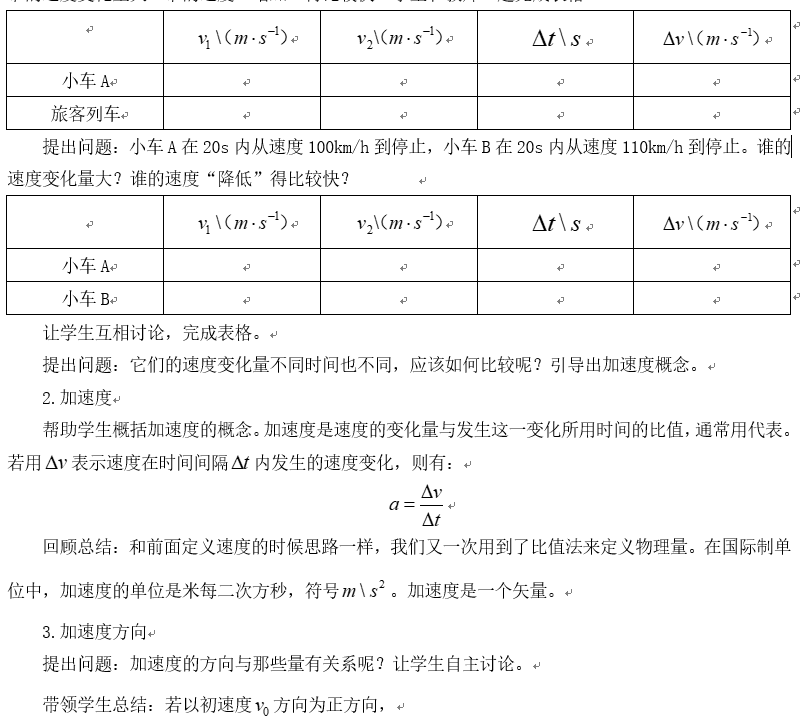
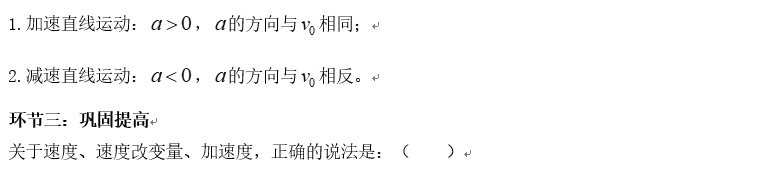
提出问题完成表格。小车A在20s内速度达到了100 km/h,而旅客列车达到这个速度大约要用500s。谁的速度变化量大?谁的速度“增加”得比较快?学生和教师一起完成表格。
教师资格考试考前黑钻押题,瑞牛题库软件考前更新,下载链接 www.niutk.com
A.物体运动的速度改变量很大,它的加速度一定很大
B.速度很大的物体,其加速度可以很小,可以为零
C.某时刻物体的速度为零,其加速度不可能为零
D.加速度很大时,运动物体的速度一定很大
环节四:小结作业
提出问题:我们今天学习了哪些知识?
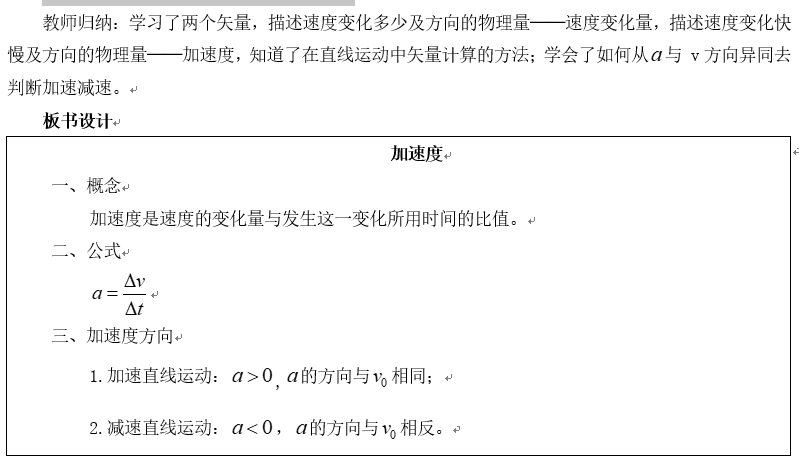
【答辩题目解析】
1.如何利用v-t图像找出加速度?
【参考答案】
当直线呈上升趋势时,表示加速;而当直线呈下降趋势时,表示减速。
从直线的斜率能看出加速度的大小,直线越陡峭加速度越大;
2.本节课的教学重难点是什么?
【参考答案】
重点:掌握理解加速度的概念和物理意义;
难点:速度、速度的变化和速度变化快慢之间的区别与联系。 -
第14题:
初中化学《铁的冶炼》
一、考题回顾
题目来源:5月18日 河南省濮阳市面试考题
试讲题目
1.题目:铁的冶炼
2.内容:
3.基本要求:
(1)要有适当的板书设计。
(2)试讲10分钟以内。
(3)要有师生活动。
答辩题目
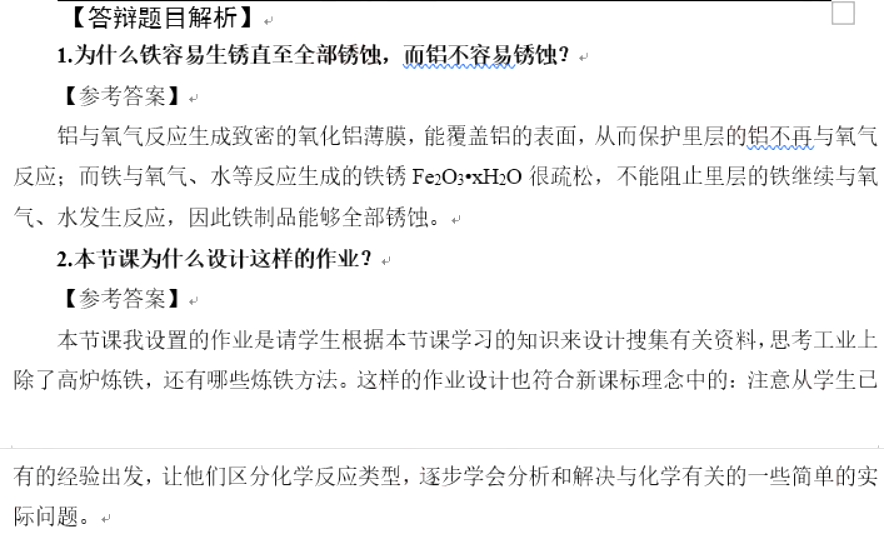
1.为什么铁容易生锈直至全部锈蚀,而铝不容易锈蚀?
2.本节课为什么设计这样的作业?答案:解析:二、考题解析
【教学过程】
(一)新课导入
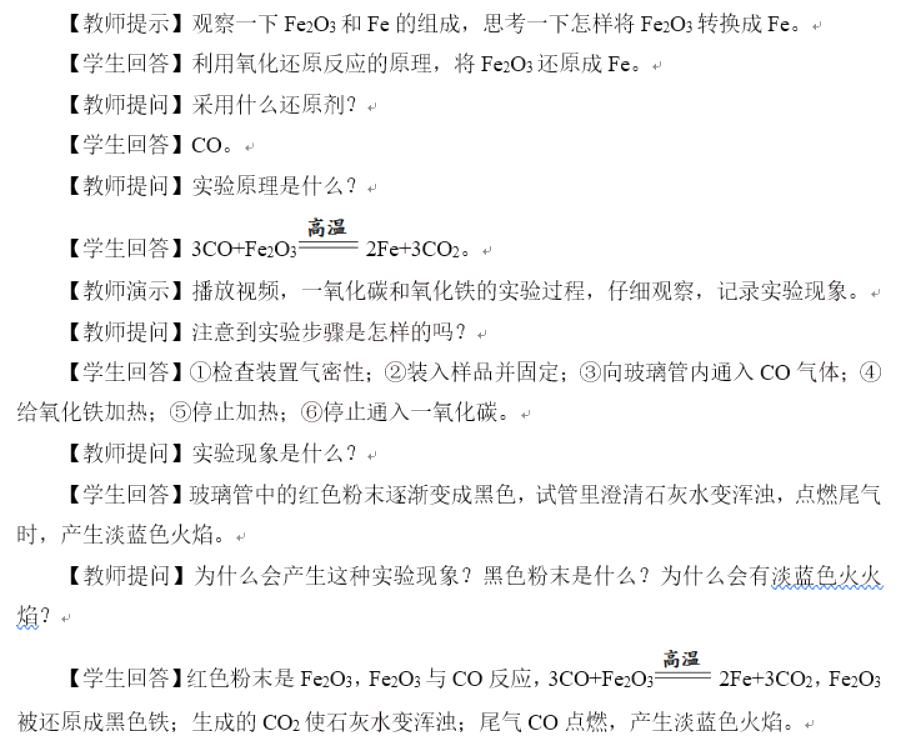
【教师提问】我国拥有丰富的金属资源,地壳中金属元素的含量前三是什么?提炼这些金属的原料是什么?应用最多的金属元素是什么?
【学生回答】铝、铁、钙;矿石;铁。
【教师总结】铁又是如何从矿石中提炼出来的?方法和原理是什么?今天让我们一起来学习一下《铁的冶炼》。
(二)新课教学
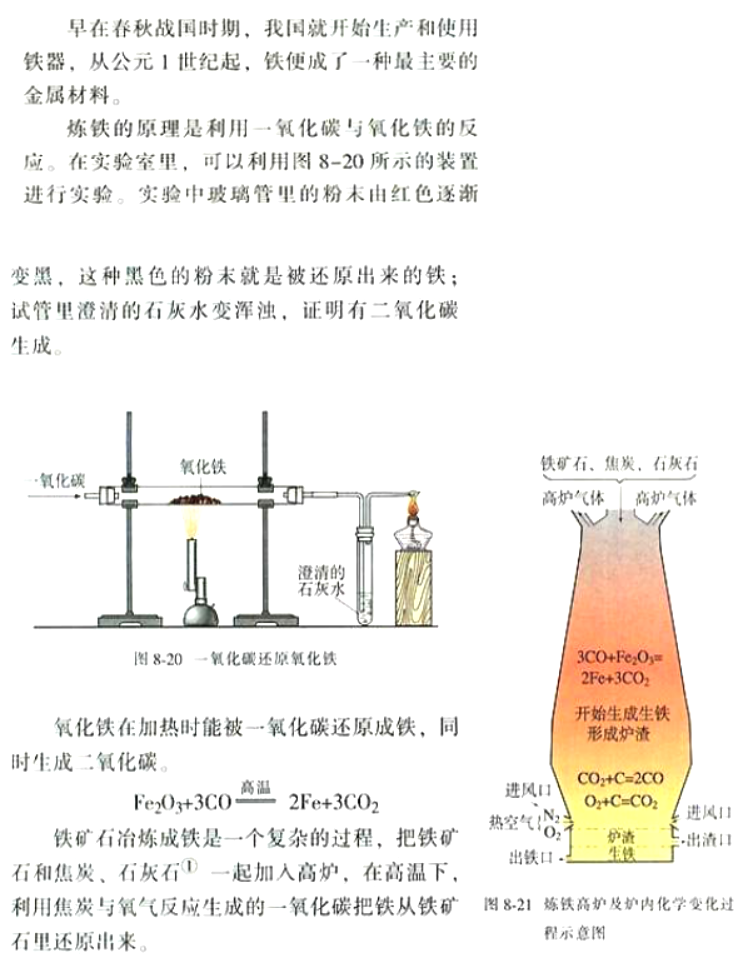
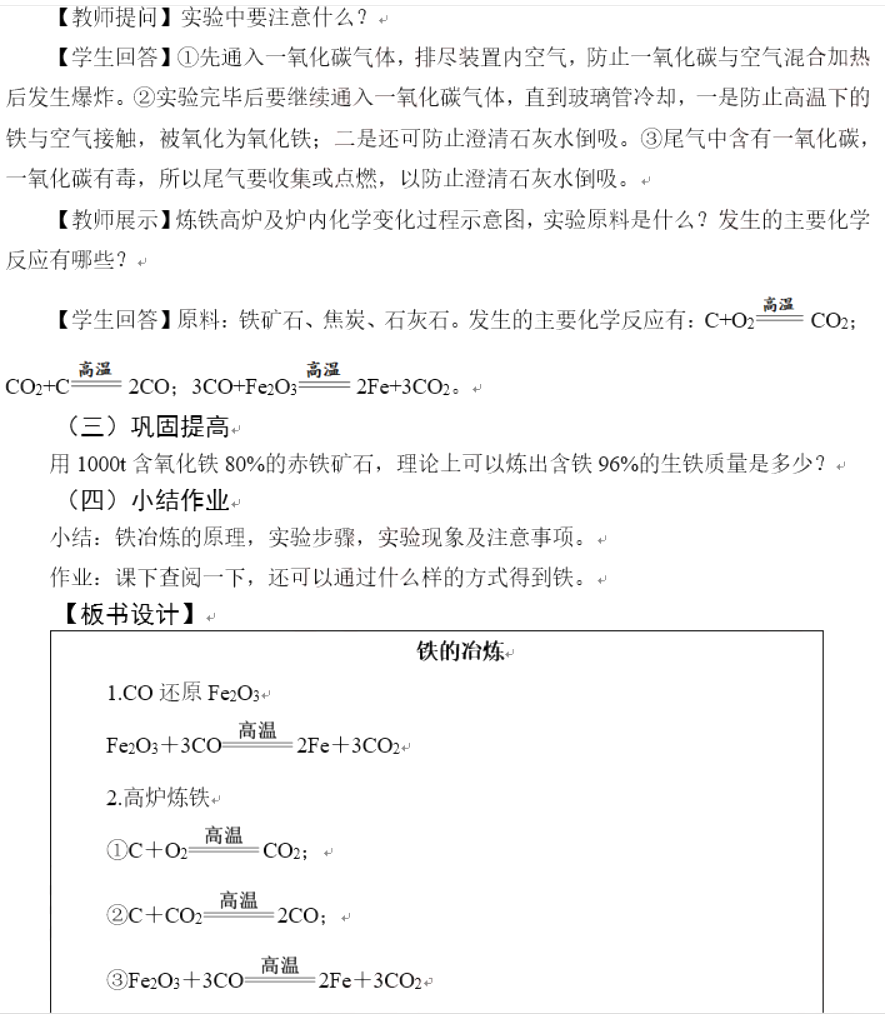
【教师总结】冶炼铁最常用的矿石是赤铁矿。今天我们主要以成分主要是Fe2O3的赤铁矿为例,来学习研究如何实现铁的冶炼。
-
第15题:
初中英语 语法
一、考题回顾
题目来源:5月18日 下午 福建省 厦门市 面试考题
试讲题目
1.题目:语法教学试讲
2.内容:
Have you read Little Women yet?
Yes, I have./ No I haven't.
Has Tina read Treasure Island yet?
Yes, she has./ She thinks it's fantastic.
Have you decided which book to write about yet?
Yes, I have. I've already finished reading it. It was really good.
3.基本要求:
(1)朗读所给段落
(2)配合教学内容设计适当板书
(3)针对划线部分讲解现在完成时
(4)用英文试讲
(5)试讲时间:10分钟
答辩题目
1. Please talk about the differences between the present perfect tense and the simple past tense.
2. Please talk about the procedure of the grammar class.答案:解析:二、考题解析
【教案】
Teaching aims:
Knowledge aim:
Students will master the function and structure of the present perfect tense.
Ability aim:
Students will use the present perfect tense to express their ideas.
Emotional aim:
Students will improve their interests of learning English.
Key and difficult point:
Key Point: Students can master the function and structure about the present perfect tense.
Difficult Point: Students can understand the difference between the present perfect tense and the simple past tense.
Teaching procedure:
Step 1: Warming-up
1. Greetings.
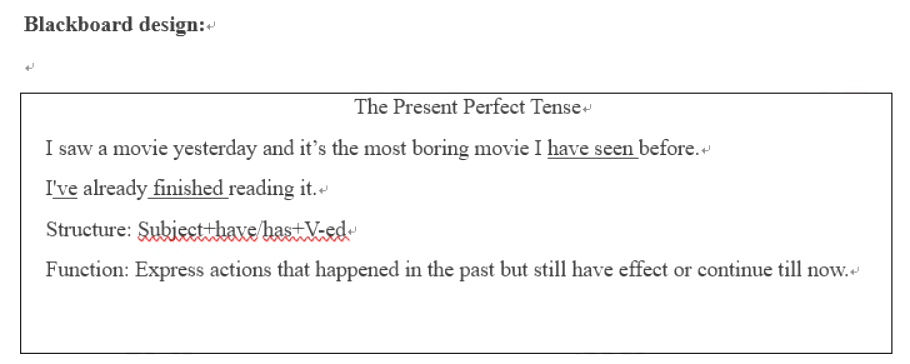
2. Have a free talk with students, and ask them “What did you do yesterday?” They can answer this question with simple past tense.Then share my activities I did yesterday. “ I saw a movie yesterday and it’s the most boring movie I have seen before.” Let the students notice that I have used a new sentence structure. In this way can the teacher lead in the present perfect tense.
Step 2: Presentation
1. Read the passage for students and ask them to figure out the main idea of the conversation.
2. Ask students to read the passage again and underline the sentences with similar structure of the sentence I said. Then let some of them write the sentences on the blackboard and they need to find out the similar structure among these sentences.
Basic structure: Subject+have/has+V-ed
3. Lead students to find the function of the present perfect tense, it expresses actions that happened in the past but still have effect or continue till now.
Step 3: Practice
1. Fill in the blanks.
(1) I____ already ____ (see) the film. I ________ (see) it last week.
(2)_____ he ____ (finish) his work today? Not yet.
(3) I __________ (work) here since I ______ (move) here in 1999.
2. Translation. Show some sentences on the screen and students need to translate them into English.
(1)她从1988年就住在这里。
(2)这本书我已经读了两个小时了,但是我还没有读完。
(3)近几年他去过澳大利亚三次了。
Step4: Production
Discussion. Ask them to discuss which books they have read in groups of four. During their discussion, they are expected to use the present perfect tense.
Step5: Summary and Homework
Summary: ask a student to conclude the content of the lesson and summarize with the whole class.
Homework: ask students to write an essay based on their discussion after class.
【答辩题目解析】
1. Please talk about the differences between the present perfect tense and the simple past tense.
【参考答案】
Well, it is a difficult point to distinguish the present perfect tense from the simple past tense in this lesson. The structure of the present perfect tense is “subject + have + past participle”, which describes the things happened before the things in the past. However, the structure of the simple past tense is “subject+ past tense”,which is used to describe the past things.
2. Please talk about the procedure of the grammar class.
【参考答案】
The procedure of the vocabulary class includes five steps. First, lead-in. Let students concentrate on the class and cultivate their interest to learn. Second, presentation. Help them learn the new grammar. Third, practice. Through practicing, students can master the grammar better. Then, production. It aims to help them to apply what they have learned to the daily life. At last, summary and homework. This is the regular part of the class. -
第16题:
初中音乐《中国梦》
一、考题回顾
题目来源:5月18日 辽宁省沈阳市 面试考题
试讲题目
1.题目:中国梦
2.内容:
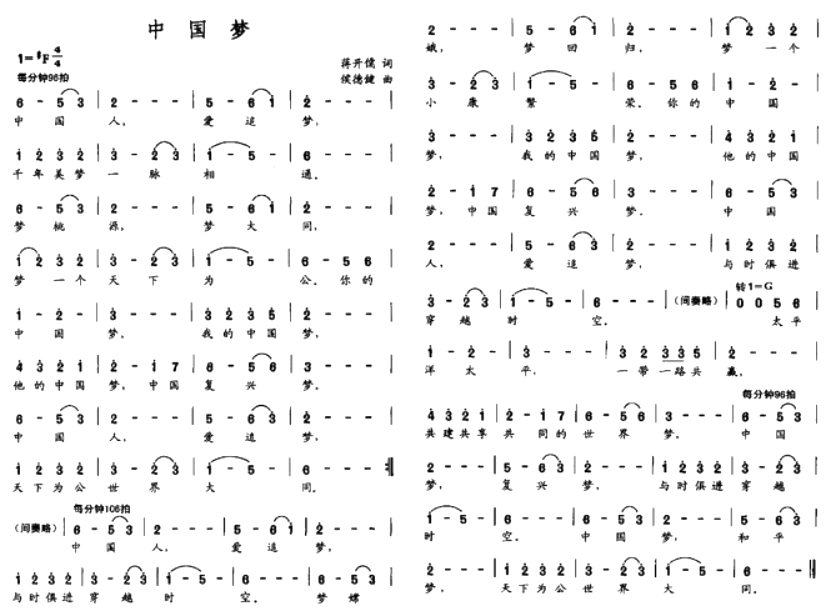
3.基本要求:
(1)试讲时间在10分钟之内完成。
(2)试讲时需要有情感交流环节。
(3)试讲过程需要有创编环节。
答辩题目
1.简单介绍你知道的速度记号。
2.本节课你的教学目标是什么?答案:解析:二、考题解析
【教学过程】
(一)情境导入
教师创设情境,播放歌曲《歌唱祖国》,并对学生进行提问:这首歌曲给你什么样的感觉?表达怎样的情感?
学生自由发言。
教师总结:这首歌曲给人一种欣欣向荣的感觉,表达人们强烈的爱国主义情感。
引入课题——《中国梦》。
(二)感受体验
1.初听歌曲,教师播放张也演唱的《中国梦》。
并设问:“歌曲的旋律如何,歌曲描绘了一幅怎样的画面?”
学生自由发言。
教师总结:歌曲旋律较为中速、欢快,描绘了一幅天下大同、和谐社会的展望情景。
2.复听歌曲
并设问:“歌曲给你一种什么样的感觉?”
学生自由发言。
教师总结:这首歌曲主要表达对美好社会的向往之情,坚定强烈的节奏感,仿佛感受到祖国的大好河山、繁荣昌盛的场景,给人一种自豪感。
(三)探究学习
1.进行简单发声练习,例如:1 2 | 3 2| 1 - |。
2.教师范唱歌曲,学生小声哼唱,感受旋律的流动。
3.教师弹奏钢琴,学生跟唱乐谱,并提示学生注意连音记号及速度的转换。
4.教师引导学生进行演唱,边唱歌边打拍子,帮助学生掌握速度的变化,并提问学生:“不同的速度变化,对于音乐造成了怎样的影响?”
学生自由回答。
教师总结:刚开始速度为中速,优美抒情;中间速度转为稍快,将歌曲情绪逐渐推强,情绪高涨;最后速度由快速转为中速稍快,首尾呼应的同时,更好的强调情感。
5.完整有感情地演唱乐谱。
6.教师带领学生熟悉歌谱之后,有感情的朗诵歌词,并提问学生:“歌曲表达怎样的情感?”
学生自由回答。
教师进行总结:歌曲通过对于中国人们的描述和文化的传承,表达对于祖国的赞美及美好生活的向往之情,传达着强烈的爱国主义情怀。
7.教师请学生分组进行竞赛演唱,并进行鼓励性评价。
(四)巩固提高
教师将学生进行分组,用自己的方式来表达对于祖国的热爱及赞美之情,并提醒学生注意与组内其他成员的配合。创编完成后请各组进行表演,并互相评价,教师进行总结评价。
(五)小结作业
今天我们学习了歌曲《中国梦》,感受到强烈的民族自豪感,希望同学们通过本课的学习能够感受祖国的繁荣昌盛,逐渐具有传承发展意识。
请同学们课后收集关于祖国的作品,下节课互相分享。
【板书设计】
中国梦
连音线
第一部分:中速、稍慢;优美抒情
第二部分:快速;情绪高涨
第三部分:中速、稍快;强调情绪
美好生活的向往、热爱祖国
【答辩题目解析】
1.简单介绍你知道的速度记号。
【参考答案】
速度记号一般记在乐曲或乐章的开端五线谱的上面,记法一般是意大利文和本国文字通用。包括基本速度和变化速度两种:
基本速度记号记在乐曲或段落的开始,用来标记全曲或整段音乐的速度;有庄板(每分钟40拍)、广板(每分钟46拍)、慢板(每分钟52拍)、柔板(每分钟56拍)、小广板(每分钟60拍)、行板(每分钟66拍)、小行板(每分钟69拍)、中板(每分钟88拍)、小快板(每分钟108拍)、快板(每分钟132拍)、急快板(每分钟160拍)、急板(每分钟184拍)、最急板(每分钟228拍)
变化速度是用来标记乐曲进行中速度的改变。有渐慢、渐快、原速、速度自由等。
2.本节课你的教学目标是什么?
【参考答案】
情感态度价值观:感受歌曲《中国梦》,体会歌曲中对于美好生活的向往及热爱祖国的情感,学生能够产生传承民族音乐文化的意识。
过程与方法:学习过程中运用聆听、表现、合作等方法,学生能够完整表现歌曲并能提升音乐表现能力。
知识与技能:能够准确唱出连音线的连贯感,并能够掌握速度表达时情绪的变化;体会歌曲表达的爱国主义情感,从而能够完整地有感情地演唱歌曲。 -
第17题:
初中英语 语音
一、考题回顾
题目来源:5月19日 上午 上海市 面试考题
试讲题目
1.题目:
2.内容:
p, t的发音,浊辅音:sp, st.
teacher, place, speaking, star.
3.基本要求:
(1)讲授p, t的发音
(2)全英10分钟试讲
(3)适当板书
答辩题目
1. Do you know some subjects of teaching pronunciation?
2. What’s the principles of teaching pronunciation?答案:解析:二、考题解析
【教案】
Teaching aims:
Knowledge aim:
Students will master the pronunciation of “p”, “t”,“sp” and “st”.
Ability aim:
Students will know how to pronounce “p”, “t”,“sp” and “st” in words.
Emotional aim:
Students can foster the interest and desire of learning English, and be fond of taking part in kinds of class activities.
Key and difficult point:
Key Point:
Students can master the pronunciation of the letters and group of letters.
Students will know how to pronounce them in words.
Difficult Point:
Students can improve their confidence in learning English, and not be afraid of speaking English.
Teaching procedure:
Step 1: Warming-up
1. Greetings. Talk about the weather.
2. Show tongue twisters to the students
[p] Peter’s plane is plainly painted .Peter is paid plenty to paint planes .
[t]Too many teenagers tend to waste their time watching television.
Ask them if they can read the tongue twisters as fast as possible. Then they find it not easy to read them fluently and quickly. Later, the teacher can lead in the topic. Today we are going to learn the pronunciation about the letter “p, t”.
Step 2: Presentation
1. Listen to the recording carefully, and try to find what the listening is about. Meanwhile, circle the words with letter “p” and “t”.
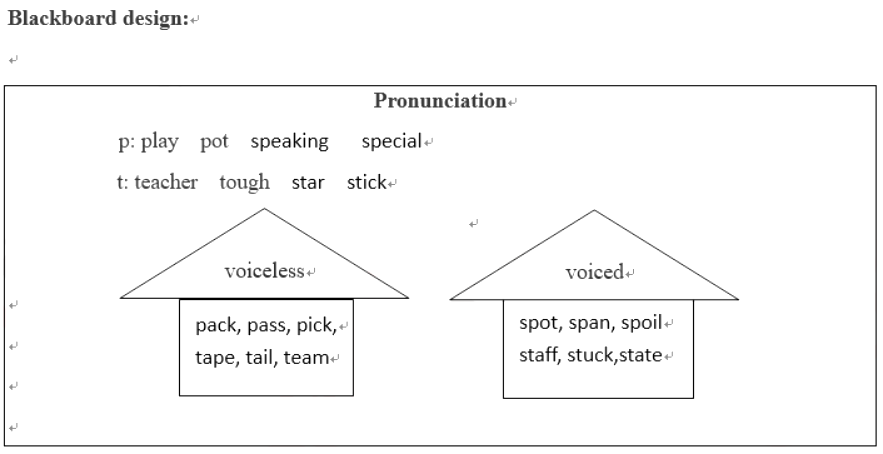
2. Listen to the recording for the second time. And try to find rule of the pronunciation of letter “p” and letter “t”, and pay attention to differences of these two letters’ pronunciation in the letter group- “sp, st”. They may say that in the words like teacher and play, the letter “p” and “t” are voiceless. However, in the letter groups of “sp” and “st”, they should make a sound . And they pronounce differently.
3. Conclude the pronunciation of letter “p” and letter “t”. Tell them that the letter “p” and “t” are voiceless consonant, while in the letter groups of “sp” and “st”, the letter “p” and “t” are voiced consonant.
4. Show the pronunciation of these two letters to the students. Ask them to read after the teacher practice.
Step 3: Practice
1. Play a game named “odd one out”. Read some groups of words for the students. They should listen carefully and say which word is different.
For example: sports Spanish stupid spirit
2.Ask a few students if there are other words containing the letter “p”, “t” and the letter groups of “sp” and “st”. They may answer “pen, piano,take, talk”, “spell, spring, spirit” , “stand, stay, stop”.
3.Play a game named “send words home”. Show others words including the letter “p”, “t” and the letter groups of “sp” and “st” on the screen. Introduce the rule of the game briefly. Then invite some students to the front and write the words down on the blackboard. Check answers later.
Step4: Production
Ask students to make some sentence with the words on the blackboard in groups of 4. After 5 minutes, invite some group members to share their sentences. Give evaluation to them.
Step5: Summary and Homework
Summary: Ask a student to conclude the content of the lesson and summarize with the whole class.
Homework: Read the words and the tongue twister to their friends and make more sentences with the target letters.
【答辩题目解析】
1. Do you know some subjects of teaching pronunciation?
【参考答案】
Well, it includes basic pronunciation such as pronunciation of 26 letters, pronunciation of vowels in the stressed syllables, pronunciation of consonant clusters and so on. It also teaches stress of words and sentences. The variation of pronunciations is the important part which deals with liaison, weak form, loss of plosion and assimilation.
2. What’s the principles of teaching pronunciation?
【参考答案】
I think it should focus on the following principles:
①Accuracy. It is the primary principle in teaching pronunciation.
②Long-tern development. Teaching pronunciation is not just a task for students who have begun to learn, it must run through all stages.
③Comprehensiveness. Teaching pronunciation is not teaching isolated speech sounds. All aspects should be included such as phonemes, phonetic symbols, words , sentences, meaning and uses. -
第18题:
一、考题回顾
题目:《卡门》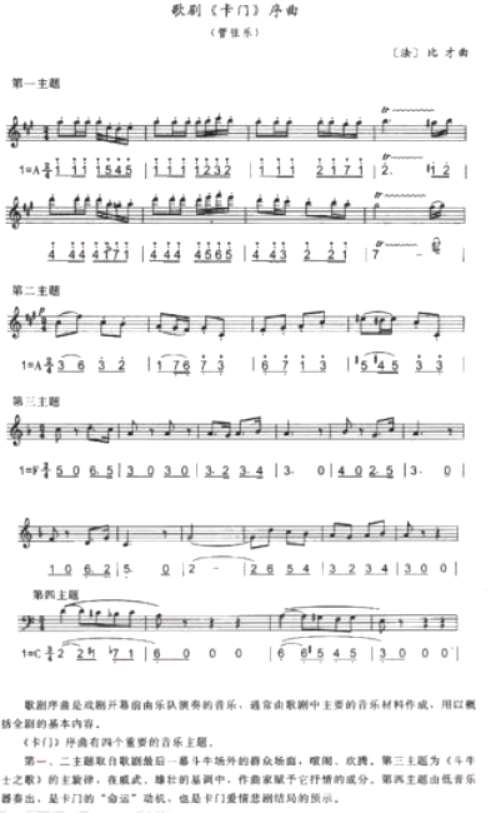
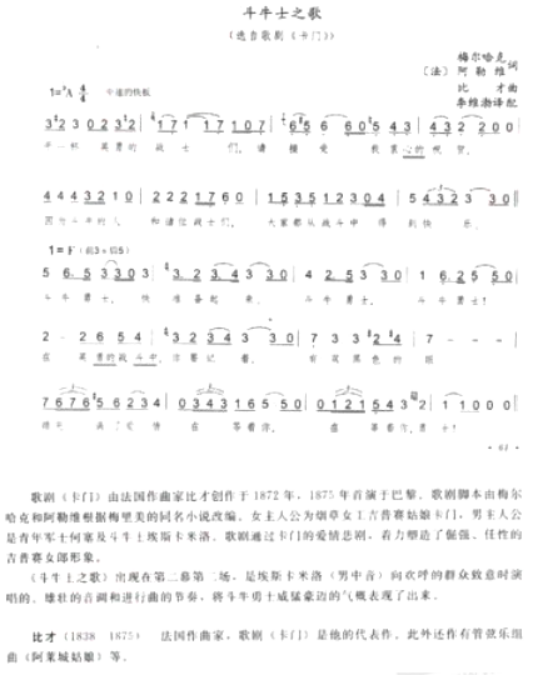
注:图片节选自人民教育出版社高中音乐《艺术鉴赏》第三单元第61、62、65、66页
3基本要求:
(1)试讲时间在10分钟之内完成;
(2)试讲时需要有弹唱示范环节;
(3)试讲过程需要有指挥环节;
(4)试讲过程中要有适当的作品介绍。答案:解析:二、考题解析
【教学过程】
(一)图片导入
教师出示斗牛场面的图片,学生观看并联想。
教师提问:请以开火车接龙的方式用词语描述你看见的场面氛围?
学生依次发言。
教师引导渲染:斗牛单单在图片中就给了我们这么多的氛围感受,给了我们这么多想象的空间,那么在音乐中又会给我们怎样不同的惊喜呢?让我走进今天的音乐作品,歌剧《卡门》序曲。
由此导入新课。
(二)初步感知
1.播放音频《卡门》序曲。
并提出问题:欣赏完卡门序曲给了你怎样的情绪感受?
学生自由回答。
教师总结:热烈欢快的。
2.教师播放歌剧《卡门》的剧照及片段,提问:有没有人了解这部歌剧?能不能给大家介绍一下?
学生自由回答。
教师总结:歌剧《卡门》是法国作曲家比才的最后一部歌剧,是当今世界上上演率最高的一部歌剧。主要塑造了一个相貌美丽而性格倔强的吉卜赛姑娘——烟厂女工卡门,她使军人班长唐·豪塞堕入情网,并舍弃了他在农村时的情人——温柔而善良的米卡爱拉。后来唐·豪塞因为放走了与女工们打架的她而被捕入狱,出狱后又加入了她所在的走私贩的行列。然而后来卡门又爱上了斗牛士埃斯卡米里奥,在人们为埃斯卡米里奥斗牛胜利而欢呼时,她却死在了唐·豪塞的匕首下。
3.多媒体播放歌剧《卡门》序曲。
教师提问:卡门序曲的演奏形式是什么?你听到了几个重要主题?
学生自由回答。
教师总结:管弦乐,其中重要的主题有四个,它概括了全剧的基本内容,可谓是经典中的经典。
(三)探究学习
1.教师分主题播放《卡门》序曲。
提问:每个主题都在讲着不同的故事发展概要,他们分别给了你怎样的感受和画面?
学生仔细聆听后,探究讨论,自由回答。
教师总结:《卡门》序曲有四个重要的音乐主题,第一、二主题取自歌剧最后一幕斗牛场外的群众场面,喧闹、欢腾。第三主题为《斗牛士之歌》的主旋律,在威武、雄壮的基调中,作曲家赋予它抒情的成分。第四主题由低音乐器奏出,是卡门的“命运”动机,也是卡门爱情悲剧结局的预示。
2.教师再次播放《卡门》序曲。
提问:每一段旋律,在哪些方式上刻画了这样的故事画面,表现了这样的情绪?
学生组内讨论,自由回答。
老师讲解每一部分采用的不同主奏乐器,及利用节奏呈现的画面氛围,如紧凑的连续的十六分音符快速地奏出形成了这种热烈欢快的场面。
3.教师播放《卡门》序曲,学生完整聆听。
4.教师播放歌剧《卡门》选段《斗牛士之歌》,并提问学生:歌曲怎样表现斗牛士的英勇的?
学生自由回答。
教师总结:《斗牛士之歌》出现在第二幕第二场,是埃斯卡米洛(男中音)向欢呼的群众致意时演唱的,雄壮的音调和进行曲的节奏,将斗牛勇十威猛豪迈的气概表现了出来。
5.教师采用指挥手势,带领学生随着音频进行哼唱旋律。
(四)拓展延伸
1.教师请学生以音乐小组为单位,创编情景剧。
2.表演展示,教师评价。
(五)小结作业
1.师生共同总结本节课的收获,引导学生体会外国文化,对于歌剧作品产生兴趣。
2.课后完整观看歌剧《卡门》。 -
第19题:
小学数学《周长》
一、考题回顾
题目来源:1月6日下午河北省秦皇岛市面试考题
试讲题目:《周长》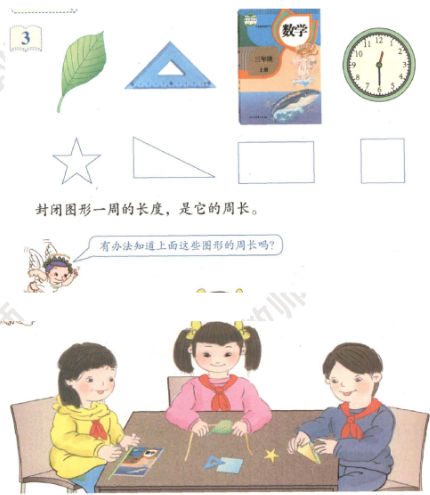
3.基本要求:
(1) 试讲10分钟;
(2) 让学生初步了解周长的含义;
(3) 要有过程性评价。
答辩题目
1.你是如何让学生理解周长的含义的?
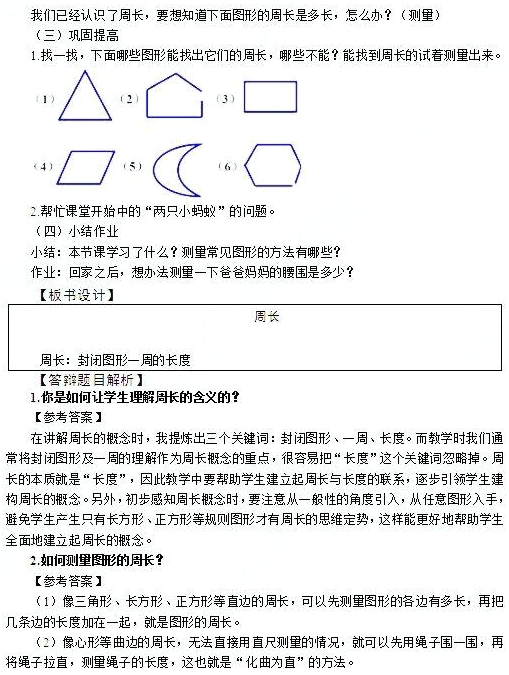
2.如何测量图形的周长?答案:解析: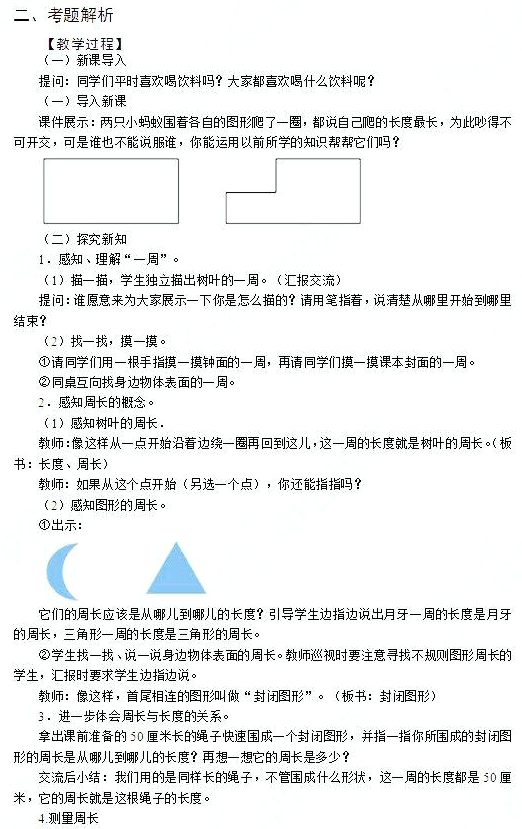
-
第20题:
一、考题回顾
题目:《故乡的小路》

3基本要求:
(1)有感情地演唱歌曲。
(2)过程中需要互动和评价过程c
(3)试讲时间10分钟。
(4)试讲中体现合作演唱。答案:解析:二、考题解析
【教学过程】
(一)情境导入
教师创设情境,提出问题:同学们印象中的故乡有哪些美景?
学生自由发言。
教师总结:同学们对故乡都有着自己印象中不同的美丽景物。今天老师也带来了故乡的小路,看看小路上又有什么美好的事物。
(二)感受体验
1.初听歌曲
教师设问:歌曲中我们听到了哪些美好的事物?
学生自由发言。
教师总结:歌曲描述了故乡的小路,路上的小花带给我们欢乐和幸福。
2.复听歌曲
教师设问:歌曲给你什么样的感觉?
学生自由发言。
教师总结:歌曲婉转优美,速度稍慢,给人一种舒缓、愉悦的感觉。
(三)学唱歌曲
1.教师请学生用“en”来进行发声练习。
2.教师弹琴范唱,学生跟琴轻声哼唱曲谱。教师请学生边哼唱边观察谱例,找出变化音。
3.教师带领学生演唱谱例,请学生观察歌曲中的变化音有什么特点。
学生自由回答。
教师讲解:此处的变化音是加了一个升号,升高了半音。
4.教师引导学生准确地演唱旋律,注意变化音,跟着钢琴反复演唱变化音。
5.教师与学生共同视唱课后谱例,找出变化音,并做巩固练习。
6.教师请学生完整地演唱谱例,熟悉旋律与节奏。
7.教师引导学生带节奏朗读歌词,并提问:歌词表达了什么情感?
学生小组讨论,自由回答。
教师总结:歌曲通过描述故乡小路上的美好景物,表达了对故乡的赞美之情,抒发了自身热爱家乡、热爱生活、热爱大自然的情感。
8.填词演唱歌曲,并提醒学生注意变化音。之后分两组进行演唱,一组演唱上方声部,另一组演唱下方声部。教师进行指挥,全体协作。
9.教师请学生以小组的形式表现作品,演唱时注意声部之间的和谐。
10.集体欢快愉悦地完整演唱歌曲。
(四)巩固提高
教师请学生自由分组用打击乐器为歌曲创编伴奏,提醒学生打击乐器要根据歌曲的强弱进行选择。创编完成后请各组进行表演,而后进行生生互评、教师评价。
(五)小结作业 -
第21题:
小学心理健康 《进步的阶梯》
一、考题回顾
题目来源:5月18日 河南省郑州市面试考题
试讲题目
1.题目:题目自拟
2.基本要求:
(1)试讲时间控制在十分钟;
(2)设置师生互动环节;
(3)试讲中要注意引导性。
答辩题目
1.一名好教师的标准。
2.心理咨询中应遵循哪些原则?答案:解析:二、考题解析
【教学过程】
(一)名言导入
高尔基说过,书籍是人类进步的阶梯对于处于新时代的我们来说,读书对我们开阔视野、增长知识是何等的重要!只有爱读书的人,才能在书中找到智慧的金钥匙。
(二)主题活动一:什么样的是好书
1.提出问题
请学生小组讨论:那什么是好书,读书应注意些什么呢?
2.交流讨论
学生分组讨论,各组总结发言。
组1:看适合我们的年龄的书,如《爱丽丝梦游仙境》《十万个为什么》。
组2:有帮助的书,比如关于练字的、写作文的。
3.教师小结
好书通常是思想性好,知识性强,趣味性浓,种类丰富,深浅适宜。
(三)主题活动二:如何阅读
1.教师提问
我们该如何阅读呢?
2.小组讨论
组1:反复多读几遍。
组2:不认识的地方查字典,不懂的地方问老师。
组3:多思考。
(四)总结升华
集体诗朗诵《神奇的书》
成长路上,有好书相伴,我们的步伐将更加稳健!成长路上,有老师、亲人陪我们共读,我们更是多么快乐和幸福同学们,让一起来记住我们的读书口号吧——我读书、我快乐、我成长!
教师资格考试考前黑钻押题,瑞牛题库软件考前更新,下载链接 www.niutk.com
【板书设计】
进步的阶梯
什么样的书是好书
如何阅读
【答辩题目解析】
1.一名好教师的标准。
【参考答案】
作为一名好教师,应该符合教师职业道德基本规范:
(1)爱国守法:热爱祖国,热爱人民,拥护中国共产党领导,拥护社会主义。全面贯彻国家教育方针,自觉遵守教育法律法规,依法履行教师职责权利。不得有违背党和国家方针政策的言行。
(2)爱岗敬业:忠诚于人民教育事业,志存高远,勤恳敬业,甘为人梯,乐于奉献。对工作高度负责,认真备课上课,认真批改作业,认真辅导学生。不得敷衍塞责。
(3)关爱学生:关心爱护全体学生,尊重学生人格,平等公正对待学生。对学生严慈相济,做学生良师益友。保护学生安全,关心学生健康,维护学生权益。不讽刺、挖苦、歧视学生,不体罚或变相体罚学生。
(4)教书育人:遵循教育规律,实施素质教育。循循善诱,诲人不倦,因材施教。培养学生良好品行,激发学生创新精神,促进学生全面发展。不以分数作为评价学生的唯一标准。
(5)为人师表:坚守高尚情操,知荣明耻,严于律己,以身作则。衣着得体,语言规范,举止文明。关心集体,团结协作,尊重同事,尊重家长。作风正派,廉洁奉公。自觉抵制有偿家教,不利用职务之便谋取私利。
(6)终身学习:崇尚科学精神,树立终身学习理念,拓宽知识视野,更新知识结构。潜心钻研业务,勇于探索创新,不断提高专业素养和教育教学水平。
2.心理咨询中应遵循哪些原则?
【参考答案】
(1)保密原则
保密原则是心理咨询中最为重要的原则,它要求心理咨询师要尊重和尽可能地保护来访者的隐私。需要明确地甚至反复地说明和解释,使之确信你是会替他保守秘密的。
(2)助人自助性原则
心理咨询帮助来访者的根本目标是促进来访者成长、自强自立,使之能够自己面对和处理个人生活中的各种问题。咨询师应该相信来访者不仅仅有获得心理健康的愿望,而且本身都具有恢复健康的能力。
(3)价值观中立原则
价值观中立原则要求心理咨询师尽量不干预来访者的价值观。
(4)综合性原则
人类心理困扰的形成是多因素作用的结果,帮助人摆脱痛苦需要多元的思考和多方面措施的干预。心理咨询的综合性原则有以下多重含义:心身的综合;原因的综合;方法的综合。
(5)灵活性原则
灵活性原则在心理咨询中具有重要意义。它要求咨询师在不违反其他咨询原则的前提下,视具体情况,灵活地运用各种咨询理论、方法,采用灵活的步骤,以便取得最佳的咨询效果。 -
第22题:
一、考题回顾
题目:《土拨鼠》
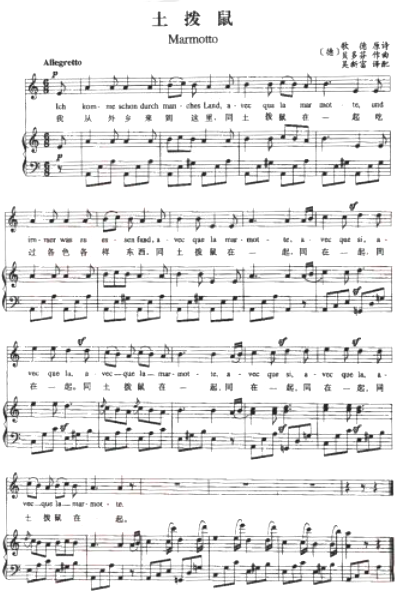
3基本要求:
(1)试讲在10分钟之内完成;
(2)试讲过程中需要互动和评价过程;
(3)试讲时需要有弹唱示范环节;
(4)试讲时需要介绍贝多芬。答案:解析:二、考题解析
【教学过程】
(一)情境导入
上课伊始,教师播放两首音乐的片断请大家欣赏,听完之后谈一谈这两首作品在内容和情绪上有什么相同之处?(播放小提琴曲《思乡曲》、交响曲《念故乡》片断)。
顺势导入本节新课贝多芬作品《土拨鼠》。
(二)初步感知
1.教师完整播放音乐,并提问:这首歌曲给你什么样的感受?
学生通过聆听自由回答。
教师总结:这首歌曲给我们一种优美抒情的感觉。
2.再次播放音乐并提问:歌曲速度和情绪是怎样的?
学生自由回答。
教师总结:歌曲的速度是中速地,情绪是优美的。
(三)探究学习
1.教师带领学生进行发声练习,用“la”哼唱音阶,并提示学生在演唱时注意要用科学规范的方法进行歌唱,注意保护嗓子。
2.教师带领学生视唱旋律,并发现弱起小节,在演唱弱起时要把握好第一拍弱起要弱唱。并提问:音乐中加入弱起的意义是什么?
学生自由回答。
教师进行总结:旋律中加入弱起可以加强音乐的倾诉感,带有诉说的感觉。
3.带领学生进行朗读歌词,在朗读的过程中思考作者是如何抒发感情的?
学生自由回答。
教师总结:通过强调曾经土拨鼠陪伴着作者,对于土拨鼠的怀念和思念,感受作者对土拨鼠的喜爱之情。
4.教师带领学生有感情的完整的演唱,充分体会歌词内涵。
5.教师请学生根据搜集资料,介绍作者贝多芬。
学生自由回答。
教师总结:贝多芬,被称为“乐圣”,是古典主义时期代表音乐家,代表作品有32首钢琴奏鸣曲,被称为“新约全书”。交响曲代表作有《第三“英雄”交响曲》《第五“命运”交响曲》《第六“田园”交响曲》《第九“合唱”交响曲》等。
6.教师带领学生欣赏贝多芬的另一首作品《欢乐颂》,感受《欢乐颂》的音乐情绪。
7.再次完整演唱《土拨鼠》
(四)拓展延伸
请学生以四人为一小组,十分钟的时间。
模仿和学习多媒体上出示的手语动作,加入到歌曲当中。
请学生上台展示。教师对学生的展示进行鼓励性的评价。
(五)小结作业
师生共同总结本课收获,告诫同学们珍惜美好时光,珍惜陪伴我们的每一个人或小动物并热爱家乡的情感。
请同学们课后书写一篇自己心中的陪伴者,并和同桌讨论自己的心得体会。 -
第23题:
一、考题回顾
题目来源:1月6日下午河南省许昌市面试考题
试讲题目: 答案:解析:【教案】
Teaching aims
Knowledge aim: students can understand and master the sentence pattern: I have lunch at 12.
Ability aim: students can use the sentence pattern to talk about their activities.
Emotional aim: students will be more interested in speaking English.
Key and difficult points:
master and use the sentence pattern: I have lunch at 12.
Teaching procedure:
Step 1: Warming-up
After greeting students, the teacher gives a riddle: what has hands but can’t hold anything? Students will guess it is a clock. Then draw a clock on the blackboard and ask students what do you do at 7 o’clock, 8 o’clock, and 12 o’clock. Students can have a free talk.
Step 2: Pre-listening
Draw pictures of some activities on the blackboard to explain them, such as have lunch, play basketball, watch TV, go sleep. Then tell students Amy and Mary are talking about their daily activities, and we will listen to their conversation.
Step 3: While-listening
Ask students to listen to the tape, and answer questions:
(1) when do Mary play basketball?
(2) when do they go home?
Invite students to answer them, and write down the sentence on the blackboard.
Then the teacher reads the conversation for students, and they can listen again and pay attention to the pronunciation.
Step4: Post-listening
Ask students what else do they do in a day. They may say have breakfast, do homework, go sleep and so on. They the teacher uses the sentence pattern to ask them when do they do these activities.
Then play a game: four students a group. Show many activities on the screen and students can rank them according to their own time line. They should make a small story using our sentence pattern, and let’s see whose story is the most interesting one.
Blackboard design: